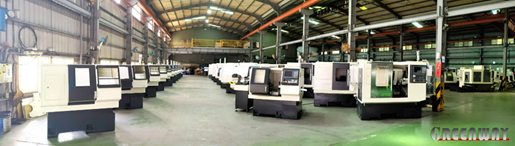
The improvement of the machining industry relies on the CNC lathe machining more than we think. It integrates automation systems with high precision and efficiency, providing a streamlined production process. Moreover, it helps manufacturers to deliver components that meet demanding requirements in industries such as automotive, aerospace, and medical manufacturing.
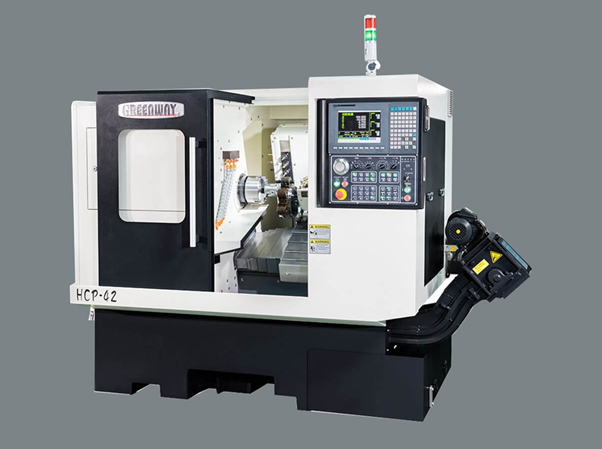
For manufacturers seeking an efficient and automatic industrial solution, incorporating a CNC lathe machine in the production process is an ideal choice. With enhanced efficiency, precision, and productivity of the machining process, CNC lathe machining has a large impact on optimizing the production process. In this article, we will explore what CNC lathe machining is, the advantages it delivers, and how the process works to create high-performance products.
Utilizing a CNC lathe in the production process enables manufacturers to achieve high precision, consistency, and efficiency while reducing labor costs and minimizing human errors. In this section, we will explore some common questions about lathe machining and CNC technology to have a more comprehensive understanding of this field.
What is lathe machining?
Conventional lathe machining relies on operators to rotate the workpieces and shape them with cutting tools. The lathe machining process requires numerous manual operations, which causes lower precision and efficiency.
What does CNC mean?
CNC refers to computer numerical control. This advanced technology utilizes computer programs to direct the machining process through programmed instructions, allowing automated machining operations.
What is CNC lathe machining?
CNC lathe machining is a subtractive manufacturing process that shapes parts by removing material with cutting tools. Compared to conventional lathe machining, it incorporates CNC technology. It allows the lathe to perform a wide range of operations automatically, including turning, tapping, and drilling.
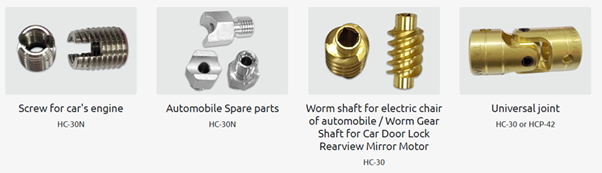
As we mentioned in the previous section, CNC lathe machining offers a wide range of benefits that enhance the overall production performance. We will examine them in detail and explore how they contribute to highly precise, cost-effective, and reliable manufacturing processes.
Advanced precision and consistency
Unlike the conventional lathe that relies on manual operation, the CNC lathe is driven by pre-programmed computer instructions that control the movement of the cutting tool. Thus, the machine works with exceptional precision.
This precision eliminates inconsistencies that commonly result from manual processes, ensuring overall quality across all production runs. The CNC lathe machine delivers consistent and repeatable results, improving product reliability even in mass production.
High efficiency
Conventional lathe machining often requires multiple setups and numerous operations to complete different tasks, which limits overall efficiency and affects machining precision. In contrast, CNC lathe machining automates multiple processes, such as turning, drilling, threading, and tapping.
The automation shortens the cycle time, which allows manufacturers to handle large-scale production with exceptional efficiency. The CNC lathe machining reduces excessive operations and streamlines workflows, meeting the demands of high efficiency in manufacturing industries.
Reduced manual errors
Conventional lathe machining relies heavily on manual operation, increasing the risk of errors that can lead to inconsistencies and defects. However, CNC lathe machining solves this issue by automating most operations, reducing the need for constant human intervention.
By minimizing manual handling, the CNC lathe machine maintains consistent product quality. The operations follow the precisely programmed instructions, ensuring every component meets exact specifications. It significantly enhances accuracy and overall product reliability, resulting in superior production quality.
Superior compatibility
While conventional lathe machining often requires constant adjustments and multiple setups for different materials, CNC lathe machining can efficiently handle a wide range of materials. From metals like aluminum, steel, and titanium to plastics and composites, the CNC lathe is suitable for handling various materials with precise tooling and programming.
Its versatility reduces setup time, enabling manufacturers to meet the diverse requirements of industries such as automotive, aerospace, electronics, and medical device production.
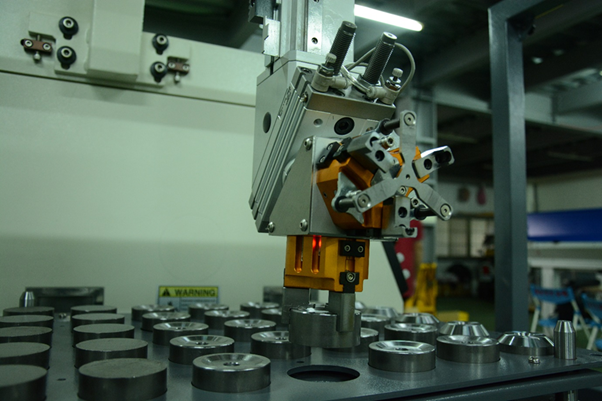
After exploring the various benefits of CNC lathe machining, we are going to take a closer look at the process itself. Understanding how CNC lathes operate provides valuable insight into why this technology delivers precision, efficiency, and consistency in modern manufacturing.
Creating 3D models
The process begins with precise measurements of the part. Engineers use CAD (Computer-Aided Design) software to create a detailed 3D model, which is a digital tool that serves technical drawings, specifications, and documentation. This step ensures accuracy and provides a clear blueprint for the machining process.
Generating machining code
Next, the CAD model is imported into CAM (Computer-Aided Manufacturing) software, which converts the design into code that is readable by the machine. The software generates the tool paths and instructions that will guide the CNC lathe during machining, ensuring precision and repeatability in every operation.

Setting up the CNC lathe machine
Once the machining code is prepared, engineers set up the CNC lathe machine and secure the workpiece using fixtures. Proper setup ensures stability and alignment during machining processes, which are critical for achieving high precision and consistent results.
Executing the CNC process
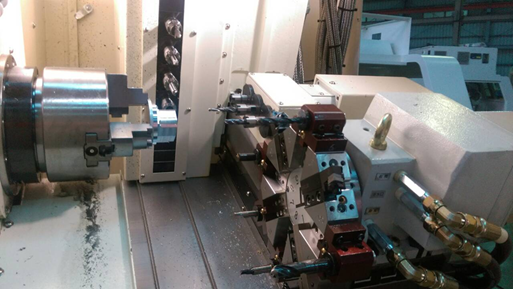
During the machining process, the workpiece is securely fixed and rotated at high speed, while the cutting tool precisely follows the programmed paths to remove the material, shaping the workpiece into the desired geometry with exceptional accuracy and consistency.
Post-processing the finished product
Once the desired shape is formed, post-processing may be applied to enhance the surface quality and appearance of the part. The post-processes may include polishing, coating, and deburring, which are used to remove imperfections such as burrs and sharp edges of the finished product. Post-processing ensures the final product meets aesthetic and functional requirements, delivering a refined and professional finish.
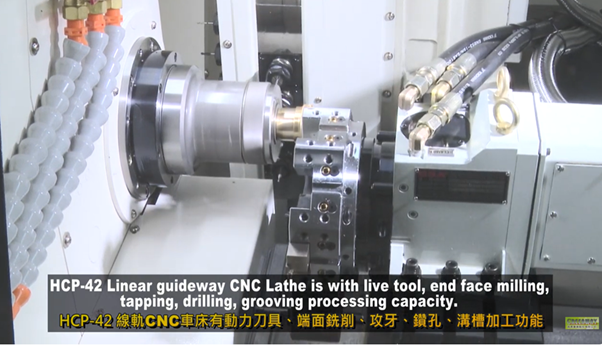
CNC lathe machining brings a revolutionary improvement in the machining industries. It is setting new standards for precision, efficiency, and reliability. Unlike conventional lathe machining that requires manual handling, CNC systems adopt computer-programmed instructions to deliver consistent, high-quality results across a wide range of applications. From the initial 3D design model to the well-polished component, CNC lathe machining streamlines every stage of production, making it perfect for industries that demand accuracy, repeatability, and reliability in mass production.
For manufacturers aiming to optimize efficiency and elevate product quality, GREENWAY’s CNC lathe machines provide an outstanding solution. Our advanced series of CNC lathes is designed to support smooth, automated machining processes that meet diverse industrial requirements. Contact us to learn more about our CNC lathe options and to discuss how we can help you achieve superior results in your production processes.